Javascript is disabled on your browser.
To view this site, you must enable JavaScript or upgrade to a JavaScript-capable browser.
Login
or
Register
Dealer Locator
0
Your cart is empty
Quick Order
Home
Products
Shop by Vehicle
JL (18-Up Jeep Wrangler)
JT (20-Up Jeep Gladiator)
JK (07-18 Jeep Wrangler)
TJ (97-06 Jeep Wrangler)
LJ (04-06 Jeep Unlimited)
YJ (87-95 Jeep Wrangler)
CJ (76-86 Jeep)
XJ (84-01 Jeep Cherokee)
MJ (86-92 Jeep Comanche)
ZJ (93-98 Jeep Cherokee)
Bronco (21-Up)
John Currie Performance Group
Antirock Sway Bars
Bolt-In Antirock Kits
Universal Antirock Kits
Pre-Runner Antirock Kit
Parts & Components
Currectlync Steering
JL (18-Up Jeep Wrangler)
JT (20-Up Jeep Gladiator)
JK (07-18 Jeep Wrangler)
TJ/LJ (97-06 Jeep Wrangler)
XJ (84-01 Jeep Cherokee)
MJ (86-92 Jeep Comanche)
ZJ (93-98 Jeep Cherokee)
High Steer Knuckle Kits
Universal Modular Extreme Duty
Stabilizer Shocks & Brackets
Ram Assist Components
Replacement Parts
Johnny Joint Rod Ends
Complete Joints
Shop by Vehicle
RockNuts, Bungs & Jam Nuts
Tools
Rebuild Kits
Grease
Parts Department
RockNuts
RockNut Control Arms
RockNut Kits
RockNut Nuts
RockNut Bungs
Spare Tire Delete Panels
JL (18-Up Jeep Wrangler)
JK (07-18 Jeep Wrangler)
Suspension Kits
JL (18-Up Jeep Wrangler)
JT (20-Up Jeep Gladiator)
JK (07-18 Jeep Wrangler)
TJ/LJ (97-06 Jeep Wrangler)
Towing Solutions
JL (18-Up Jeep Wrangler)
JT (20-Up Jeep Gladiator)
JK (07-18 Jeep Wrangler)
TJ/LJ (97-06 Jeep Wrangler)
YJ (87-95 Jeep Wrangler)
CJ (82-86 Jeep)
Tow Bars & Accessories
John Currie Performance Group
Currectrac Control Arms
Antirock Sway Bar Kits
Johnny Joint Rod Ends
RockNuts, Bungs & Jam Nuts
New Products
Accessories & Swag
EZ Deflators
ProCal Module
T-Shirts
Long Sleeve T-Shirts
Sweat Shirts
Ladies Jean Jackets
Headwear
Socks
Bag / Backpack
Cornhole Set
License Plate Frame
Shop Banner
Stickers
Parts Department
Adjusters
Bolts
Boots
Brackets
Brake Hoses
Bump Stops
Bushings
Clamps
Cotter Pins
Currectrac Control Arms
Frame Plugs
Geometry Correction Brackets
Grease
Grommets
Hardware Packs
Johnny Joint Housing Kits
Misc. Suspension
Nuts
Pitman Arms
Screws
Shackle Plates
Shims (Coil Spring)
Shocks
Skid Plates
Sleeves
Snap Rings
Spacers
Spring Plates
Springs
Steering
Studs
Sway Bar End Link Ends
Sway Bar End Link Rods
Sway Bar End Link Sets
Thread Locker
Threaded Bungs
Tools
Towing Hardware
Trac Bars & Parts
Tubes
Uni-Ball
Washers
Zerk Fittings
Instruction Manuals
Calendar of Events
History
Dealer Locator
Contact Us
Go
Go
Home
/
Products
/
Parts Department
/
Steering
/
Boots
Boots
5 Products
Sort & Filter
12 per page
24 per page
48 per page
Relevance
Price, low to high
Price, high to low
Filter By
Back
Narrow By
5 Products
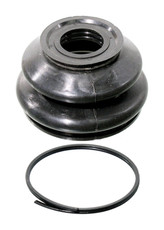
JK-9703DLB - Replacement Rod End Boot (JL/JT/JK - All Currectlync, Modular Extreme Drag Links)
$11.00
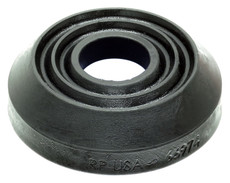
JK-9703TRB - Stabilizing Boot for Removable Cartridge Tie Rod Ends
$25.00
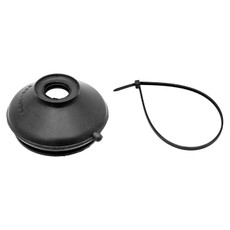
CE-9701B - Replacement Rod End Boot (TJ/LJ/XJ/MJ/ZJ Currectlync Steering)
$9.00
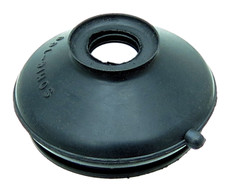
CE-9701B1 - Replacement Rod End Boot (TJ/LJ/XJ/MJ/ZJ Currectlync Steering)
$7.00
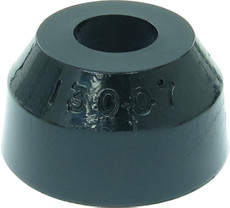
JK-9703DLBU - Urethane Replacement Universal Rod End Boot
$4.00